

1.01ct Asscher F VVS2 Natural Diamond
| Shape | Asscher |
| Carat | 1.01 ct |
| Color | F |
| Clarity | VVS2 |
| Polish | EX |
| Symmetry | EX |
| Fluorescence | NON |
| Measurements | 5.59 × 5.57 × 3.75 mm |
| Table | 67% |
| Depth | 67.3% |
| Girdle | THN TO THK |
| Type | Natural Mined |
| SKU | 7138600B9 |
Why Use a Natural Diamond
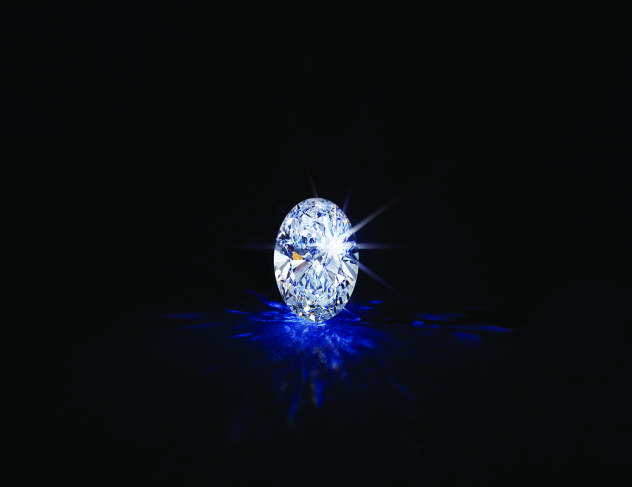
The beauty of a natural diamond is unmatched with both the sparkle and the story behind how the sparkling gem came to be! Looking for a lower cost alternative, consider a lab grown diamond.
What Makes a Natural Diamond Special
A natural diamond is a billion-year-old wonder of geology — formed deep within the earth under immense heat and pressure, then carried slowly toward the surface over eons. No two are exactly alike, and that rarity is part of the romance. When you choose an earth-mined diamond, you’re choosing a stone with a story as old as the planet itself.
Natural vs. Lab-Grown: Which Is Right for You?
Both are real diamonds with identical sparkle — the difference is origin, rarity, and price. A natural diamond is finite and rare, prized for its heritage and stronger held value at the upper end of the market. A lab-grown diamond offers the same look for significantly less, letting you size up. If tradition, rarity, and long-term value matter most, a natural diamond is the one. If maximizing size and quality per dollar is the priority, our lab-grown collection is worth a look. We carry both so you can compare side by side, in person.
How to Choose a Natural Diamond: The 4 Cs
- Cut — the engine of a diamond’s sparkle and the C that matters most. Aim for Excellent or Ideal; it makes a stone come alive.
- Color — D–F is truly colorless and commands a premium; G–H is near-colorless, looks white face-up, and offers the best balance of beauty and value.
- Clarity — look for an eye-clean stone (often VS1–SI1), where inclusions can’t be seen without magnification.
- Carat — weight. Decide your size, then optimize the other three Cs within your budget.
Certification & Peace of Mind
Our natural diamonds are independently certified by respected grading labs — including GIA, IGI, GCAL, and others — and sourced in line with the Kimberley Process, so every stone comes with an objective grading report and the confidence that it’s conflict-free.
Diamond Shape Guide
From the timeless Round Brilliant to elongating Oval and Marquise cuts, romantic Pear and Heart shapes, the clean lines of Princess, Radiant, and Asscher, the vintage softness of Cushion, and the understated elegance of the Emerald cut — the shape sets the entire mood of the ring. Tell us the look you’re after and we’ll help you find the natural diamond to match.
Design Your Natural Diamond Ring in Carrollton
Choose a certified natural diamond above, then set it into a ring you design and build by hand at the studio in Carrollton — serving Dallas, Fort Worth, Plano, Frisco, McKinney, and the surrounding DFW metro. It’s a one-of-a-kind way to create a one-of-a-kind diamond ring. Book a workshop to begin.
Natural Diamond FAQ
Are your natural diamonds certified?
Yes — our natural diamonds are independently certified by respected labs such as GIA, IGI, and GCAL, each with a report detailing the 4 Cs of the stone.
Are they conflict-free?
Yes. Our diamonds are sourced in accordance with the Kimberley Process to ensure they’re ethically obtained and conflict-free.
Do natural diamonds hold their value better than lab-grown?
Because they’re rare and finite, fine natural diamonds tend to retain value more strongly than lab-grown stones, particularly in larger, higher-quality sizes.
How do I choose between natural and lab-grown?
If rarity, tradition, and resale value matter most, choose natural. If you want the largest, highest-quality stone for your budget, consider lab-grown. We carry both so you can compare them side by side.